The Great Lawn Debate in the Arizona Desert
Every homeowner in the Phoenix metropolitan area eventually faces the same question regarding their yard. You have to decide between fighting to maintain a natural grass lawn or switching to artificial turf.
We see this struggle daily across the Valley.
Water costs are climbing steadily in cities like Scottsdale and Glendale. Simultaneously, the City of Phoenix and surrounding municipalities are actively incentivizing homeowners to remove grass through rebate programs. This choice impacts your wallet just as much as your weekend schedule.
We have installed hundreds of natural lawns and artificial turf systems across Surprise, Scottsdale, Glendale, and Maricopa County. This experience gives us a brutally honest perspective on what works in our specific climate.
The right answer depends entirely on your budget, your patience, and how you use your backyard.
Let us break down the real numbers and factors so you can make a smart choice.
Upfront Cost Comparison
Natural grass installation in the Phoenix area has a lower barrier to entry but requires significant prep work.
We typically see costs ranging from $1.50 to $3.50 per square foot for sod, which includes soil preparation, grading, and a basic irrigation setup. A standard 1,000-square-foot lawn usually costs between $2,500 and $5,000 for a professional installation with a functioning sprinkler system.
Artificial turf installation commands a much higher initial price tag due to the labor-intensive base construction.
High-quality synthetic grass projects now cost between $9 and $16 per square foot in the current market. This pricing includes premium US-made turf, crushed granite sub-base, drainage grids, anti-microbial infill, and labor. Consequently, that same 1,000-square-foot area will run anywhere from $9,000 to $16,000 upfront.
We advise clients to look at this as a construction project rather than a landscaping job.
The upfront investment for artificial turf is significantly higher. However, the long-term economics often favor synthetic grass in the Arizona climate once you factor in the “hidden” costs of water and maintenance.
Cost Breakdown at a Glance
| Cost Factor | Natural Grass (1,000 sq ft) | Artificial Turf (1,000 sq ft) |
|---|---|---|
| Material & Labor | $2,500 - $5,000 | $9,000 - $16,000 |
| Irrigation System | Included in above | N/A |
| Est. Monthly Water | $150 - $300 (Summer) | $0 - $5 |
| Est. Annual Maintenance | $1,500 - $3,000 | $100 - $300 |
Water Usage and Monthly Costs
This is where the Arizona climate fundamentally changes the equation.
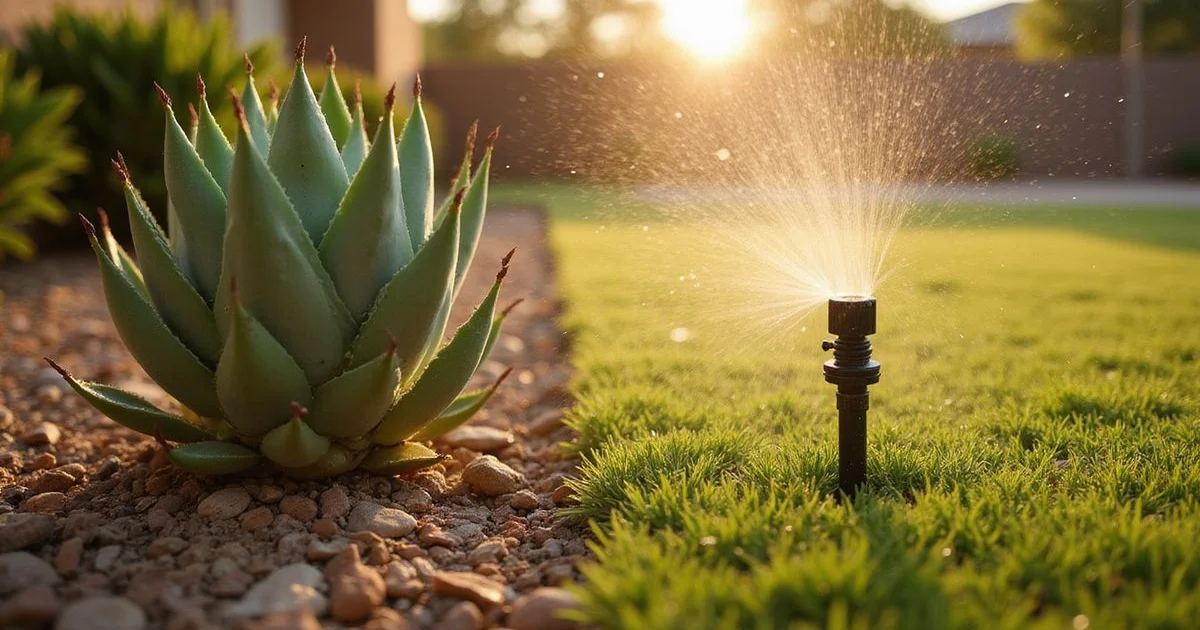
We know that maintaining a lush natural grass lawn in the Phoenix metro area requires between 60 and 80 inches of water per year. For a 1,000-square-foot lawn, that translates to approximately 37,000 to 50,000 gallons of water annually.
Phoenix and Scottsdale utilize tiered water pricing, meaning the more you use, the more you pay per gallon.
You can expect to spend $150 to $300 per month on water for your lawn during the peak summer months of June through September. Even during cooler months, rye grass overseeding requires substantial water to establish. Annual water bills for a natural lawn frequently range from $1,200 to $2,400 depending on your municipality’s specific rates.
Artificial turf requires zero irrigation water.
The only water you might use is an occasional hosing to rinse dust or cool the surface during extreme heat. This amounts to negligible cost on your monthly utility bill.
We calculate the break-even point for most of our clients to be between year 5 and year 7.
Over a 10-year period, natural grass water costs alone can total $12,000 to $24,000. When you add this to the upfront installation cost, the total cost of ownership for natural grass often exceeds that of artificial turf surprisingly quickly.
Many Arizona municipalities offer turf removal rebates. The City of Scottsdale and the City of Phoenix provide incentives, sometimes up to $2 per square foot, for qualifying properties that replace grass with water-efficient landscaping.
Maintenance Requirements
Natural Grass in Arizona
Maintaining natural grass in the desert is a demanding commitment that goes beyond simple mowing.
We deal with “caliche” clay soil regularly, which makes drainage and root growth difficult without constant aeration and soil amendments.
Here is what your annual maintenance schedule looks like:
- Mowing: Weekly during the growing season (March through October).
- Fertilizing: 4 to 6 applications per year to combat nutrient-poor desert soil.
- Overseeding: Essential scalping and reseeding with winter rye every October to avoid a brown lawn.
- Weed control: Regular pre-emergent applications are necessary to stop spurge and crabgrass.
- Aeration: Once or twice per year to break up compacted clay soil.
- Irrigation checks: Replacing plastic sprinkler heads that crack in the sun is a constant chore.
- Pest treatment: Grub and sod webworm treatments are frequently needed in late summer.
Annual maintenance costs for a professional lawn care service in the Phoenix area range from $1,500 to $3,600 per year.
Artificial Turf Maintenance
Artificial turf maintenance is minimal, but it is not non-existent.
We emphasize that “low maintenance” does not mean “no maintenance.”
- Brushing: A power broom or stiff brush is needed monthly to keep fibers standing up.
- Rinsing: Occasional hosing removes the fine desert dust that settles on the blades.
- Leaf removal: You must blow or rake leaves to prevent organic matter from decomposing in the mesh.
- Pet cleanup: Immediate removal of waste and hosing down urine spots is critical to prevent odors.
- Infill replenishment: You may need to top off the sand or zeolite infill every 2-3 years.
Annual maintenance costs for artificial turf are typically just $100 to $300 per year, mostly for cleaning supplies or an occasional professional “tune-up.”
The Heat Factor
This is the single biggest complaint we hear about artificial turf in Arizona.
Synthetic grass gets incredibly hot. On a typical 110-degree July day, surface temperatures on artificial turf can reach 150 to 180 degrees Fahrenheit. This is hot enough to burn skin and makes the area unusable for children or pets during the afternoon.
Natural grass stays significantly cooler.
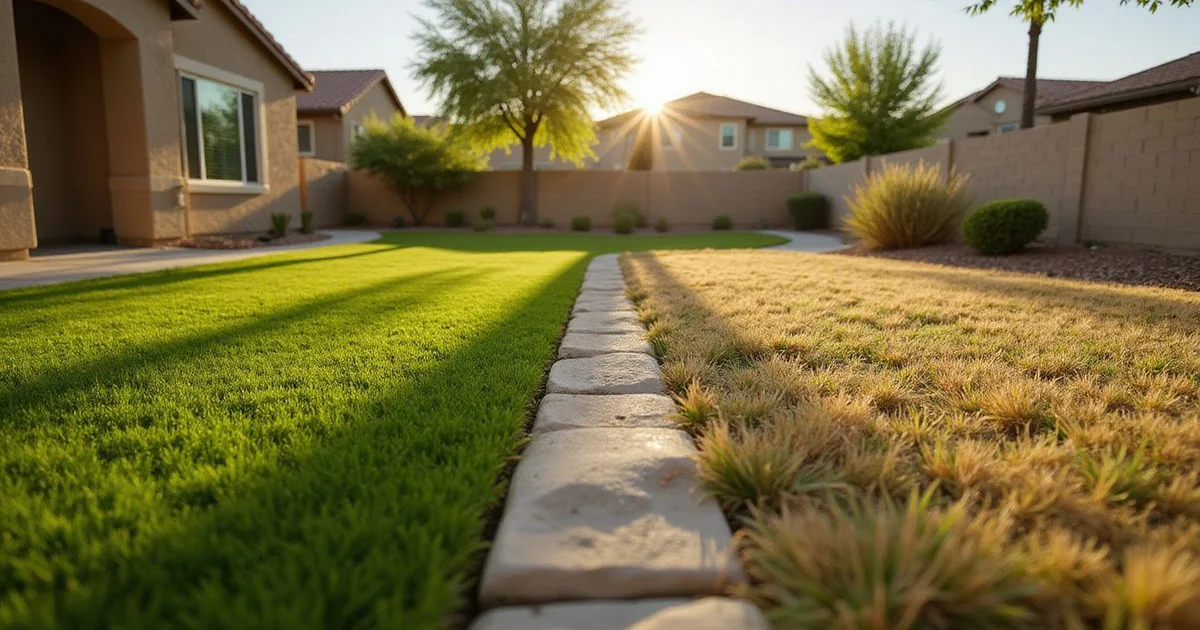
Real grass creates a cooling effect through evapotranspiration. A well-watered natural grass lawn typically registers 30 to 50 degrees cooler than artificial turf under the same direct sun.
We recommend several strategies to mitigate this heat issue:
- Select “Cool” Technology: Choose lighter-colored turf blades and products with heat-reflective technology (often called “CoolYarn” or similar).
- Specialized Infill: Use organic infills or hydro-retention products (like HydroChill) that hold moisture to cool the turf through evaporation.
- Shade Structures: Plan your yard layout to include shade sails or trees over the turf area.
- Pre-Rinse: A quick spray with the hose 5 minutes before use can drop the surface temperature by 20 degrees temporarily.
Durability and Lifespan
Natural grass is a living ecosystem that can theoretically last forever.
However, the reality in Arizona is harsh. The extreme UV radiation and saline water often lead to salt buildup in the soil, causing bald spots and “dead” zones that require re-sodding every few years.
Artificial turf has a finite lifespan, but it is consistent.
We install products that typically carry a 15-year manufacturer warranty against fading and degradation. High-quality American-made turf with a high “face weight” (density of fibers) usually lasts 15 to 20 years before it looks matted or worn down.
The durability makes it ideal for high-traffic zones where natural grass would turn into a mud pit.
Environmental Considerations
Both options come with environmental trade-offs that go beyond water usage.
Natural grass lawns in Arizona consume massive amounts of potable water in a drought-prone region. Additionally, the two-cycle engines used in leaf blowers and mowers contribute significantly to local air pollution, and fertilizer runoff can impact local water tables.
Artificial turf eliminates water waste and engine emissions.
The downside is that it is a petroleum-based product. At the end of its 20-year life, the plastic carpet generally ends up in a landfill, as recycling facilities for turf are still rare. Furthermore, synthetic turf creates a “heat island” effect in your backyard and offers no habitat for birds or insects.
We often recommend a hybrid design to balance these factors.
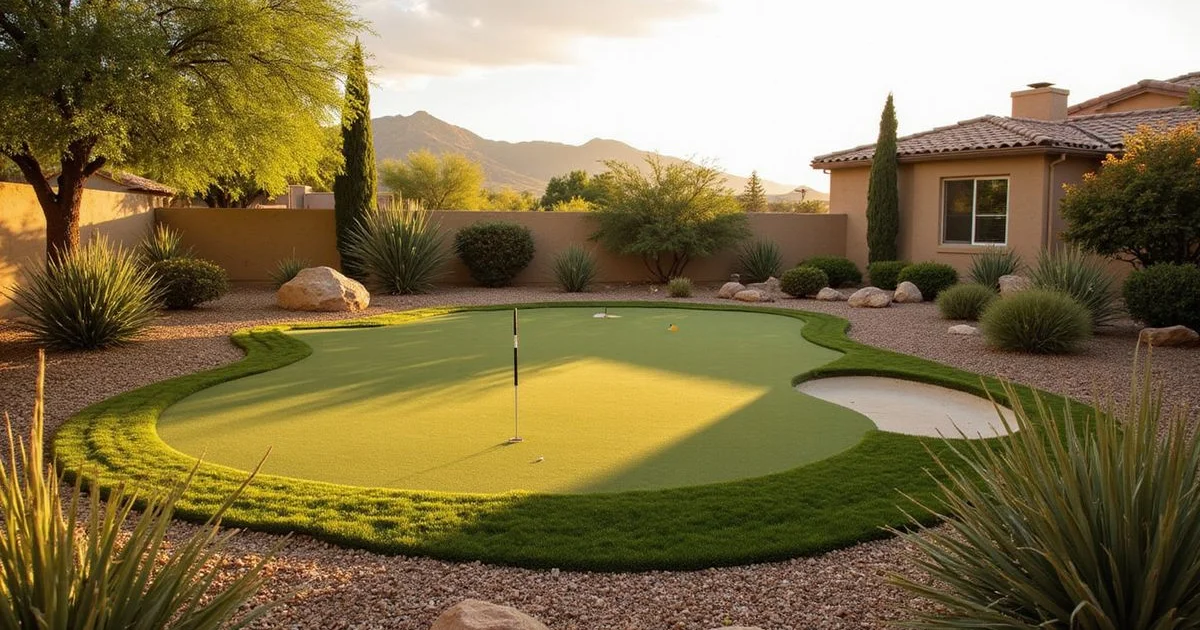
Using artificial turf for the main play area and surrounding it with native, drought-tolerant plants through professional landscape design creates a cooler environment that supports local wildlife while still saving water.
Which Option Is Right for You?
Making the final call usually comes down to your lifestyle priorities rather than just the math.
Choose artificial turf if:
- You want a consistently green aesthetic 365 days a year without overseeding.
- Your water bill is already too high and you want to lock in savings.
- You have active dogs that dig holes or turn real grass into mud.
- You are a snowbird or travel frequently and cannot monitor an irrigation system.
- You want a dedicated play surface that is always ready for use.
Choose natural grass if:
- You use your yard primarily during the late afternoon when turf would be too hot.
- You are sensitive to ambient heat and want the cooling effect of real plants.
- You enjoy the hobby of gardening and lawn care.
- Your budget cannot accommodate a $10,000+ upfront project.
- You have a shaded yard where grass can thrive without excessive evaporation.
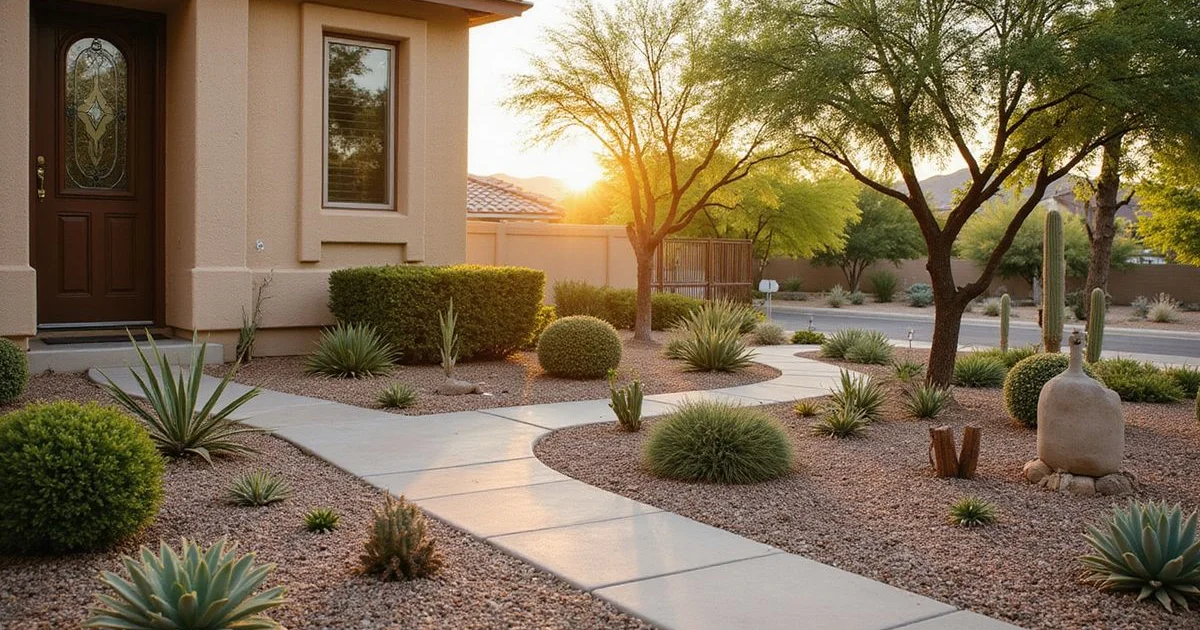
Consider a “zoned” approach. We frequently install artificial turf in the high-traffic backyard play areas and use low-water desert landscaping in the front yard. This maximizes utility where you need it and curb appeal where you don’t.
Let Us Help You Decide
At Surprise AZ Landscaping, we install both artificial turf and natural grass lawns throughout the Phoenix metro area.
We do not have a preference; we just want you to be happy with your yard five years from now. Our team will assess your property’s sun exposure, discuss your budget, and recommend the solution that fits your specific needs.
Schedule your on-site assessment today to see samples and get hard numbers.

Written by
Alfred D. Mills
Founder & Licensed Landscape Contractor
Alfred D. Mills founded Surprise AZ Landscaping over a decade ago with a mission to bring premium desert landscaping to the Phoenix metropolitan area.
Arizona State Landscape License